Bruce Poon Tip Urges Caribbean Tourism Leaders to Keep More Money in Local Communities
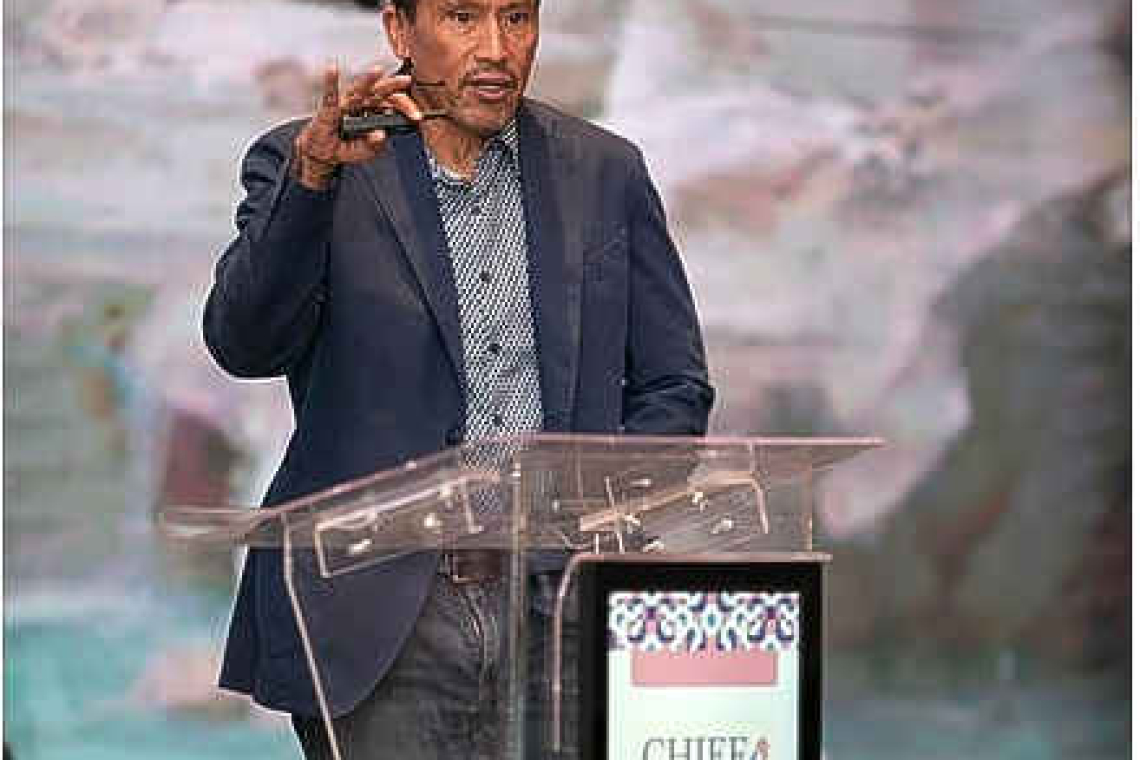
Bruce Poon Tip used a keynote address in Barbados to call on Caribbean tourism leaders to ensure that more of the money generated by travel reaches residents and local businesses. Speaking at the opening of the Caribbean Hospitality Industry Exchange Forum, the founder of G Adventures described community benefit as a central challenge for the region’s tourism sector.
Poon Tip, who was born in Trinidad, moved to Canada as a child and has lived in Barbados since 2021, founded G Adventures in 1990 when he was 22. The company now offers more than 1,000 itineraries to travellers from 160 countries. He said its partnership with National Geographic grew from shared values.
According to the account of his remarks, Poon Tip argued that tourism has often prioritized capacity and familiar amenities over the character of a destination. He pointed to the growth of cruise ships, which can now carry thousands of passengers, and hotels designed to feel much the same from place to place. When visitors could have a similar experience anywhere, he said, local culture risks being pushed aside, while popular destinations such as Barcelona, Venice and Machu Picchu face overtourism.
He said G Adventures instead builds trips around the places people visit and the communities who live there. The article cited his reference to a United Nations Environment Programme estimate: of every $100 spent on a holiday in a developing country by a traveller from a developed nation, only about $5 to $10 remains in the local economy.
Poon Tip also described programs connected to the company’s tours. In Vietnam, the Oodles of Noodles initiative with STREETS International uses visitor lunches to support culinary training for former street youth. In Belize, Bikes with Purpose offers young people paid work as cycling guides while they remain in school; the article says school enrollment on Caye Caulker rose to 90 percent within 18 months. He also highlighted Women on Wheels in India, which trains women from shelters and provides graduates with cars and airport-transfer work.
His message to the forum was that choices about lodging, transport, meals and local operators shape where tourism’s benefits go. He urged industry leaders to treat those choices as opportunities to support residents, rather than allowing the value of travel to flow away from the destinations hosting visitors.
Source ↗