Chen Jining’s Fall From Power Raises Questions About Who Could Be Next
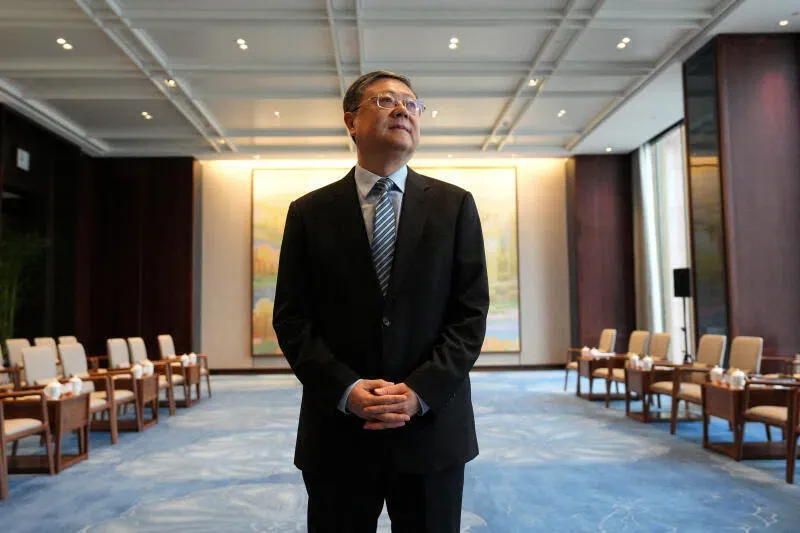
Chen Jining’s removal from office has prompted intense discussion about the future of China’s political leadership, according to a commentary by Han Yonghong. After officials announced that the Shanghai party chief was under investigation for suspected serious disciplinary and legal violations, observers began asking whether his case would be the last among senior figures—or whether more announcements might follow.
Chen, 62, had first built a career in academia. He earned a doctorate at Imperial College London before returning to China and joining Tsinghua University, his former school, as a teacher at age 34. In February 2012, after six years as a vice-president, he became the university’s president, one of its youngest leaders in that role.
Han’s account recalls how state media once portrayed Chen as a low-key, approachable administrator who pushed for reforms at Tsinghua. The People’s Daily reported that he sometimes cycled around campus. It also described him standing at the back of a room for more than two hours to listen to a thesis defence already under way, rather than interrupting the proceedings.
His rapid move from university leadership into government had made him a prominent figure. The announcement of his investigation therefore landed with particular force, the commentary says. Chen was the fourth member of the current 24-member Politburo, including its Standing Committee, to be brought down, an unprecedented development that has left people watching for clues about what may come next.
The commentary frames Chen’s career as a warning about the unpredictability of political fortunes. A figure once publicly associated with academic achievement and an unassuming style is now at the centre of a major political shock. The official notice cited suspected serious violations but did not, in the account, provide further details about the allegations or their outcome.
Source ↗