Chris Hesse reveals the walking-stick code he shared with Kwame Nkrumah
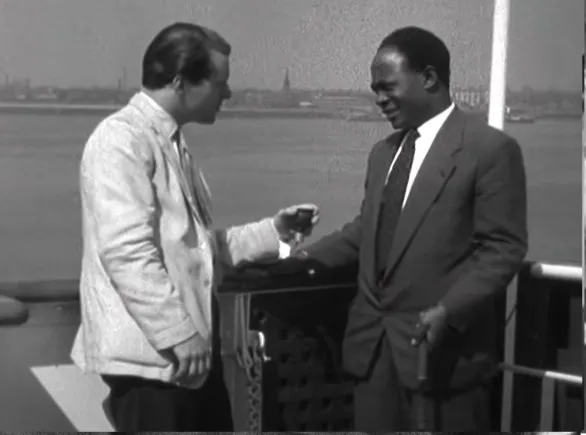
Veteran filmmaker Rev. Dr Chris Tsui Hesse has recalled an unusual way he and Ghana’s first President, Kwame Nkrumah, communicated during official events: a discreet code using the President’s walking stick. Hesse’s account features in the documentary The Eyes of Ghana, which looks back at his work filming the country’s independence-era history and his professional relationship with Nkrumah.
Now 94, Hesse said the signals helped Nkrumah indicate when filming should begin or stop without giving instructions aloud. The cameraman described the stick as a tool for their private communication, rather than something the President needed because of a leg problem. “When he wanted me to film something, I know. When he doesn’t want, I know,” Hesse recalled.
The arrangement allowed the President to make his wishes known discreetly during important or sensitive occasions. Hesse also remembered the trust Nkrumah placed in him when he took on the task of recording moments of national significance. He recalled the President telling him: “My son, I’m depending on you as the filmmaker to tell the story.”
The documentary, directed by Ben Proudfoot, follows Hesse’s career and considers the historical importance of the images he captured in Ghana and across the African liberation era. It also draws attention to footage that has remained largely unseen and to efforts to bring the collection back to Ghana.
A major thread in the film is Hesse’s attempt to recover and repatriate more than 1,000 reels of archival footage. The account says his declining eyesight and advancing age have made the effort increasingly pressing. The reels, recorded across the 1950s and 1960s, offer a visual record of political change, independence movements and the end of colonial rule in Africa.
Hesse’s story is therefore not only about a secret signal between a President and his cameraman. The documentary also raises questions about preserving Ghana’s historical records and ensuring that the material he filmed remains available to future generations.
Sursa ↗