Christian Rogg calls for honest dialogue on the legacy of the slave trade
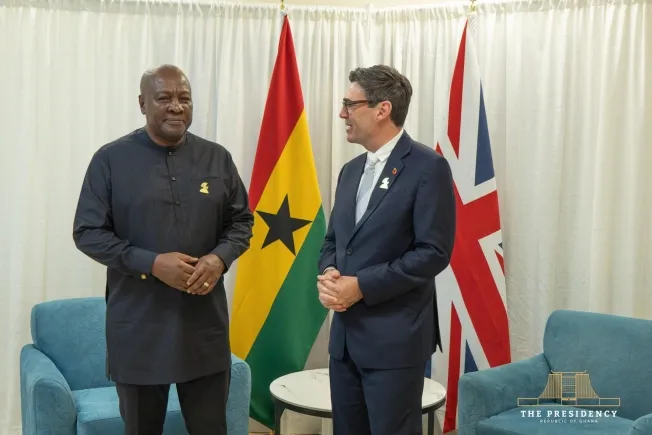
British High Commissioner to Ghana Christian Rogg says Britain and Ghana should confront the history of the transatlantic slave trade honestly and build a modern relationship grounded in dignity and mutual respect. In an opinion article, he reflects on the subject after watching Latif Abubakar’s play The Darkest Chapter at Ghana’s National Theatre.
Rogg writes that the production follows a story from the slave trade through decolonisation and Ghana’s independence. A line from the play stayed with him: “before diplomacy, before policy, before resolutions, there were human beings.” He says that conversation about the past must begin with the millions of people taken from their homes, separated from families and made to endure forced labour and suffering.
The envoy describes the trade as a profound violation of human dignity. He refers to the British Prime Minister’s expression of sorrow and regret for the suffering of millions, and recognition that the history continues to shape the world today. Rogg also credits Ghana with helping to keep the issue in international discussion and says the country’s perspective has influenced wider Commonwealth debate.
According to Rogg, Commonwealth leaders at last week’s CHOGM agreed on the need for a truthful and respectful conversation about the historical harms of the trafficking of enslaved Africans. He says the UK government has agreed to take part in structured, inclusive, good-faith dialogue with affected parties. He also notes that Prime Minister Keir Starmer met President John Dramani Mahama during the gathering to discuss the plans and welcome Mahama’s support.
Rogg says the United Kingdom is entering the process seriously and respectfully. He adds that calls for a formal apology on behalf of the British state will be an important part of the discussion, and that the Prime Minister has said he is open to them. But Rogg argues that the outcome should not be settled in advance: those most affected must help shape the dialogue, and the first responsibility is to listen.
He also points to the layers of shared history he has encountered during his work. At the British Museum, he saw how the Asante Ewer connects medieval England, trans-Saharan trade and Asante history. Rogg presents such objects as reminders that the relationship between Ghana and Britain is complex, and says facing that history can help the two countries shape their future together.
Sursa ↗