Claus Guth Found His Calling in the Rehearsal Room After Dreaming of Silent Films
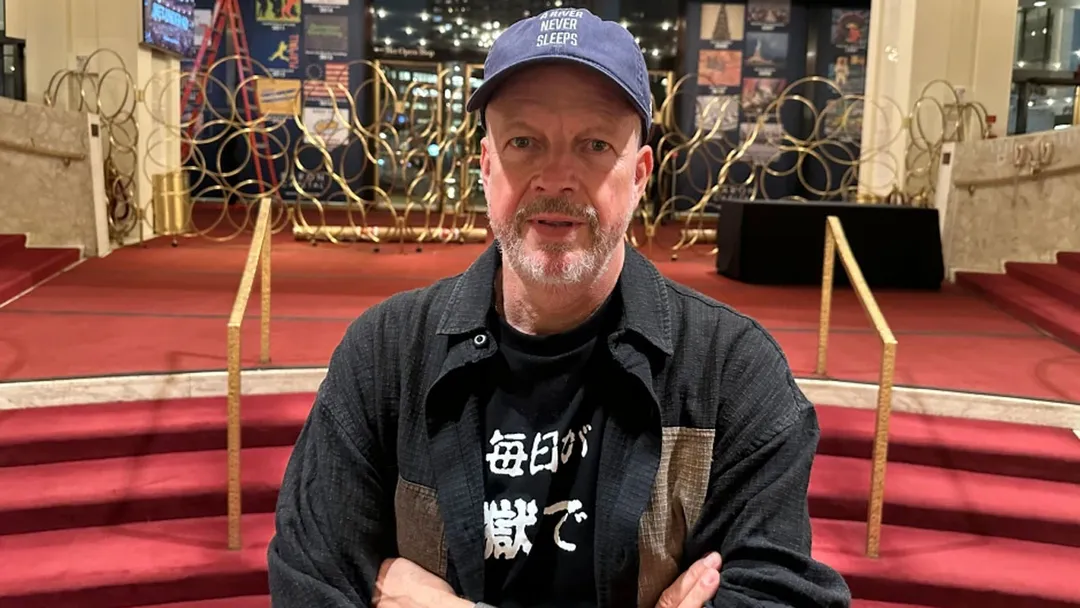
Claus Guth did not set out to become a stage director. As he tells it, his first ambition was filmmaking—but not the kind filled with dialogue. “I always was dreaming of films with only music,” he said, recalling the ideas that once inspired him to make short films with friends on a Super 8 camera.
That early fascination with music and images eventually led him to a very different stage. The 62-year-old director has now been named Stage Director of the Year for 2025-26 by the magazine Opernwelt. His latest production, Leoš Janáček’s opera “Jenůfa,” opened at the Metropolitan Opera on Monday after earlier runs in London and Chicago. The production is scheduled to remain on view through Dec. 4.
Met general manager Peter Gelb described Guth as a director who can be both gentle and determined. “He’s a very mild-mannered dictator as far as directors go,” Gelb said, adding that Guth has a bedside manner and knows how to charm people into doing what he wants. The description hints at a leadership style built on persuasion rather than a raised voice.
Guth’s route to opera was far from straightforward. He learned piano as a child and later played electric bass and drums, but at the University of Munich he studied literature, philosophy and history. After an internship at CBS production studios in Manhattan, he explored publishing and computer games while trying to find the right career.
The turning point came when he joined the first class at a directing school in Munich founded by August Everding. In the rehearsal room, surrounded by actors and singers, Guth found the work that clicked. “I immediately noticed: Wow, yeah, that’s it. Of course, that’s it,” he recalled.
His graduation production of Henry Purcell’s “Dido and Aeneas” brought him to the attention of opera-house leaders. They began hiring him to direct contemporary works, in part because he could read music—a skill that connected his early musical interests to the career he had finally discovered.
Source ↗