David Eby Resigns After Snap Election Defeat, Accepting Responsibility for the Loss
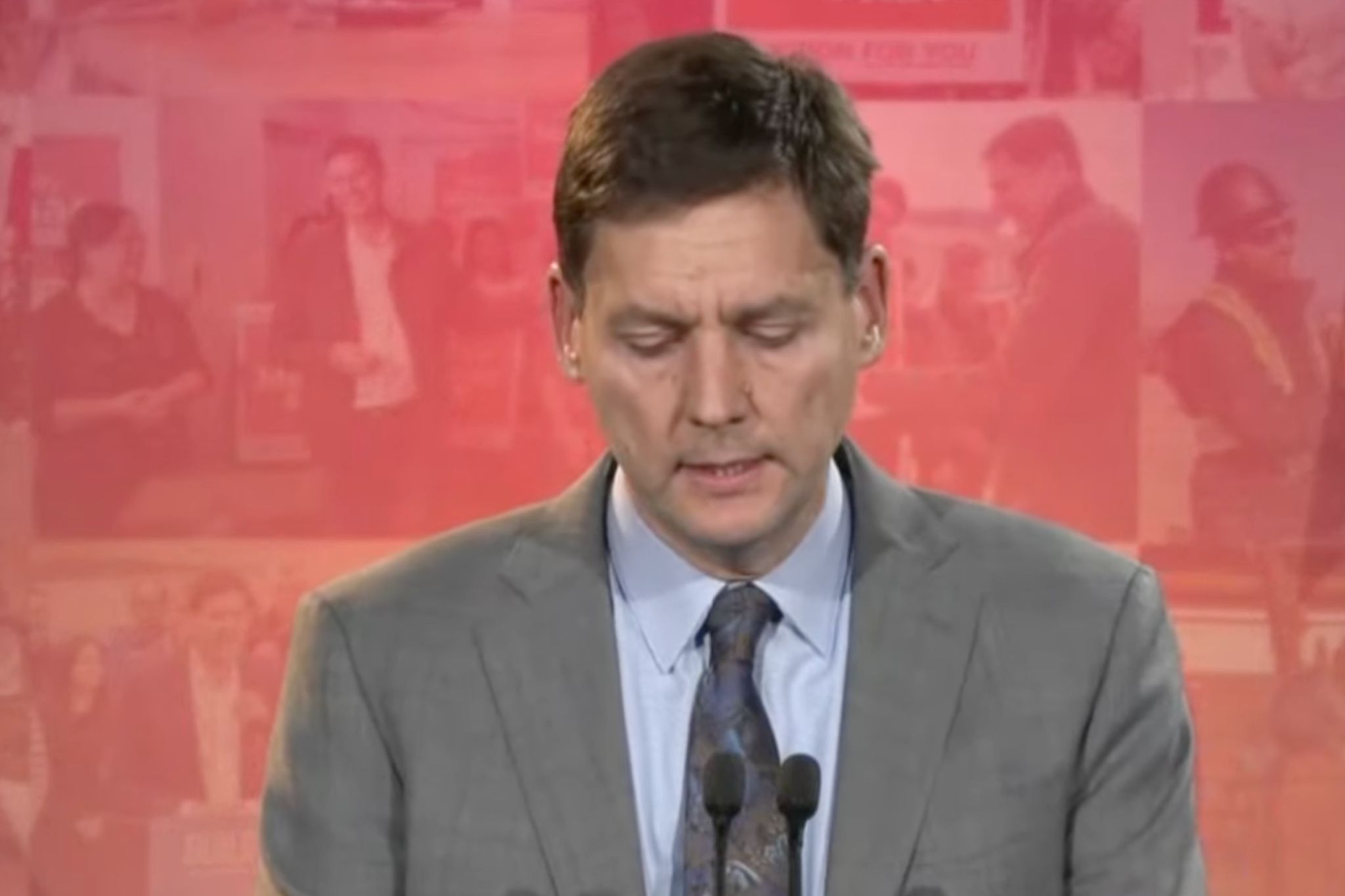
David Eby said he would step aside as BC NDP leader after his party lost the British Columbia election, according to the report. His decision followed a snap election he had called in September, making the result an especially consequential setback for the premier and his party.
Eby delivered his concession speech shortly after 9:20 p.m., about an hour and a half after polls closed. He congratulated Conservative leader Lorne Doerkson and acknowledged the outcome was not what his side had hoped for. “I accept full responsibility,” Eby said, before telling supporters it was time for the party to move on and choose a new leader.
The article described the sequence as unprecedented in B.C. politics: Eby was the first provincial leader to call an early election, lose it and resign as leader. It contrasted his decision with earlier defeats by premiers John Oliver and Dave Barrett, noting that Barrett did not quit the party leadership after his snap-election loss in 1975.
Eby had first won his Vancouver-Point Grey seat in 2013, defeating then-premier Christy Clark. During the campaign, he had played down speculation that he might lose locally, saying he had worked for the people of the riding for years and that residents knew his family and his commitment to the community.
His campaign began with a focus on defending British Columbia against U.S. President Donald Trump, then shifted toward affordability and health care, the article said. Eby also criticized the Conservatives. The report pointed to political challenges facing his government, including a reported $13.8-billion deficit and unfulfilled promises, as part of the difficult backdrop to the campaign.
The defeat also ended the BC NDP’s hold on a majority government, according to the article, which described the result as a historic change in the province’s political landscape. Eby’s concession therefore marked more than a personal leadership decision: it opened the way for a leadership contest within his party after voters rejected its bid to remain in power.
Source ↗