David Seymour’s disability-benefit plan draws a personal challenge from a family caregiver
A writer has challenged ACT leader David Seymour’s case for reducing disability spending, arguing that the rules for receiving support are already demanding. The party has announced a proposal to cut disability expenditure by $653 million over four years, and the writer says her family’s experience gives her reason to question claims that assistance is too readily granted.
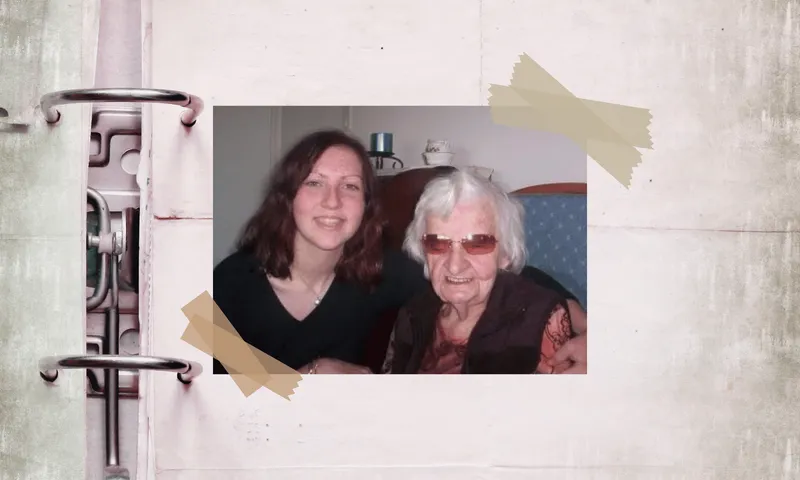
The essay recalls the writer’s grandmother, who was blind from childhood after losing sight in both eyes. Even so, she had to visit her GP each year to confirm her condition in order to continue receiving a disability allowance. She reportedly joked about the absurdity of being repeatedly asked to prove she could not see, but kept attending appointments to meet the requirements.
The writer says she has also seen the process through her disabled brother’s experience. In her account, applicants may need to pay for a GP visit and endure lengthy assessments, with medical professionals reviewing detailed paperwork before support is approved. She describes the process as precise and difficult, rather than an easy route to benefits.
Seymour has said the proposed cuts are not aimed at people with genuine, lasting disabilities, who would retain support. The writer questions how that distinction would work in practice, especially when the policy’s projected savings are based on reducing mental-health claimants to pre-pandemic levels. She argues that people could lose help despite having substantial needs, though the article does not provide individual cases of anyone who would be affected.
The piece presents the policy as a political dispute over eligibility and public spending, not as a personal exchange with Seymour. Its central point is that the writer believes the existing assessment system already requires people with disabilities to repeatedly demonstrate their circumstances, and says the proposed savings risk treating that process as less exacting than it is.
Source ↗