Dr Fatoumatta Jarjusey’s Mission to Improve Women’s Healthcare in The Gambia
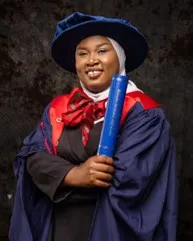
Dr Fatoumatta Jarjusey says her work in medicine is driven by a commitment to serve women and children. A consultant obstetrician and gynaecologist and Fellow of the West African College of Surgeons, she has built her career around improving maternal and reproductive healthcare in The Gambia.
In an interview with The Point, Jarjusey reflected on the path that led her into medicine and the challenges she encountered along the way. She said she was drawn to healthcare by the chance to serve others and by the difference medical professionals can make in their communities. Her interest in women’s health grew during medical school, particularly through her experience in obstetrics and gynaecology.
Her first ambition, she said, was to become a pharmacist, inspired in part by an uncle. But because the University of The Gambia did not then offer a pharmacy programme, she chose medicine instead. That decision eventually led her to a specialty she describes as both intellectually demanding and emotionally meaningful.
Jarjusey recalled residency as an exhausting period, with the responsibility of caring for mothers and babies alongside intense academic and clinical demands. She said difficult cases could leave her tired and questioning herself. Working with limited resources also required her to adapt and make careful clinical decisions. Mentors, colleagues and family helped her persist, she said, as did discipline and a steady focus on serving women.
Looking at women’s health in The Gambia, Jarjusey pointed to maternal deaths, high blood pressure during pregnancy, cervical cancer, adolescent pregnancy and restricted access to quality reproductive care as pressing concerns. She also raised the lasting consequences of harmful traditional practices, including female genital mutilation.
Her account presents a specialist’s view of the pressures facing both patients and healthcare workers. Jarjusey said her vision is for a system that puts women’s health, dignity and survival at its centre, and she continues to advocate for better care for women and children.
Source ↗