Elvis Nkandu Says Term-Limit Petitions Show Government Respects Constitutional Rights
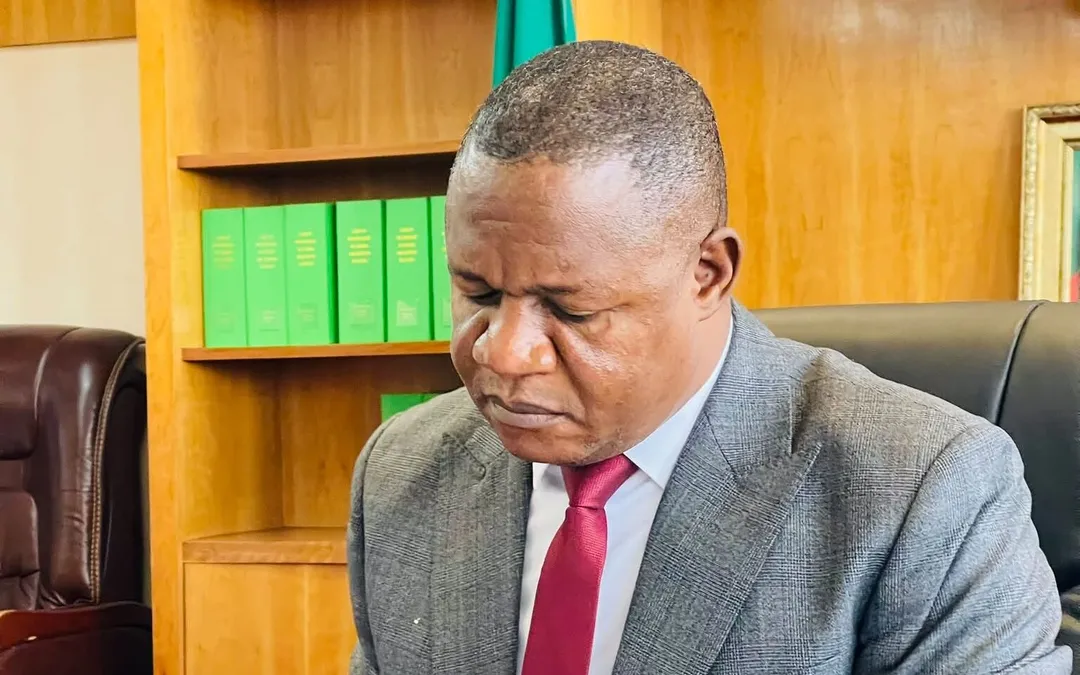
Zambia’s Chief Government Spokesperson Elvis Nkandu says the competing petitions on presidential term limits demonstrate that the government is allowing citizens to express opposing views through constitutional channels. One petition calls for removing the limits, while another opposes such a change.
Nkandu said the petitions being considered by Parliament showed that the New Dawn administration was not suppressing freedom of expression. In his view, citizens would not have been able to bring forward either position under a government that disregarded constitutional rights or refused to address the term-limit question.
He also rejected governance activist Brebner Changala’s claim that Zambia had been operating as a de facto one-party state since 2021, with opposition activity criminalised and dissent suppressed by police. Nkandu argued that President Hakainde Hichilema remained committed to the Constitution and the freedoms it provides. He pointed to Changala’s ability to speak publicly as evidence that those freedoms were being exercised, while warning him against making what Nkandu described as false and damaging claims about the country.
Nkandu said he expected further accusations, alleging they were intended to make the government look bad to an international audience. He urged Zambians to approach information carefully and communicate responsibly, adding that people on both sides of the term-limit debate were entitled to present their views.
The report also records a warning from Catholic priest Father Gladston Phiri. Phiri said the government should not force Zambians to accept the removal of presidential term limits, describing the proposal as a threat to democracy. He expressed doubt that Parliament would necessarily protect the existing limit and warned that MPs might be offered money to vote for its removal.
Nkandu’s defence focused on the right to petition and speak freely; Phiri’s intervention stressed the risks he sees in changing the limit. The two statements reflect sharply different concerns around a politically sensitive proposal, with both men addressing how the debate should proceed.
Source ↗