Georgia Clayden’s delisting sparks questions about AFLW maternity support
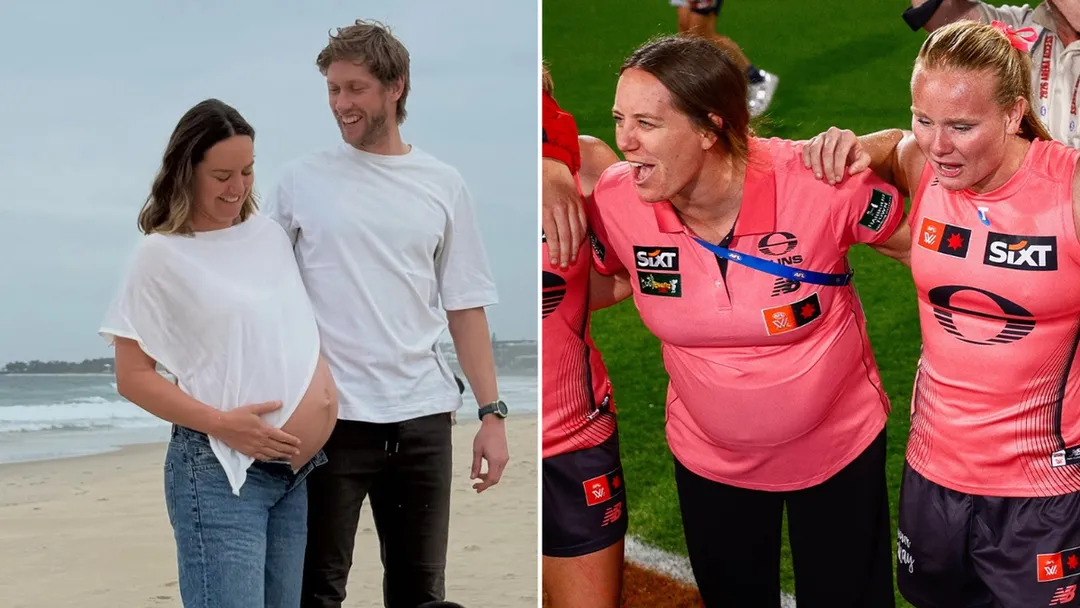
Gold Coast’s decision not to offer Georgia Clayden a contract for next season has prompted fresh criticism of how the AFLW supports players who become mothers. The 31-year-old is due to give birth within weeks, and commentator Kate McCarthy says the system should do more to protect athletes’ careers during pregnancy and after childbirth.
Clayden had been a regular on the Suns’ wing, making 44 appearances since her debut in 2022. She was also part of the club’s leadership group in 2024 and 2025. Placed on the inactive list this season because of her pregnancy, she remained involved with the team, taking part in modified training and supporting her teammates, according to the report.
Gold Coast announced its initial list changes after being knocked out of the finals, confirming that Clayden and Sienna McMullen would not be offered deals for next year. McCarthy said players should be able to start a family without fearing that doing so will cost them their football careers. She called for greater security and a genuine pathway back to the game after childbirth.
Under current AFLW rules, clubs can place a pregnant player on the inactive list and sign a replacement. If the player returns during the season, the replacement can remain on the deal and the club is allowed a 31-player squad for the rest of that season. Essendon’s Bess Keaney, who returned to the primary list after having a baby last year, was cited as a recent example.
McCarthy argued clubs should be able to retain a player returning from maternity leave without using one of their limited list spots. That, she said, would give the athlete time to regain fitness while allowing the club flexibility if she is not yet ready to play. She also pointed to uncertainty around what happens to replacement players after a birth, describing the issue as a grey area.
North Melbourne star Eilish Sheerin backed McCarthy’s comments, saying that in other industries the situation would be viewed as discrimination. The debate now turns on whether AFLW rules can better balance clubs’ list constraints with a player’s chance to return after becoming a mother.
Source ↗