Graham Leung Challenges Fiji’s Extended Election Restrictions on Civil Society
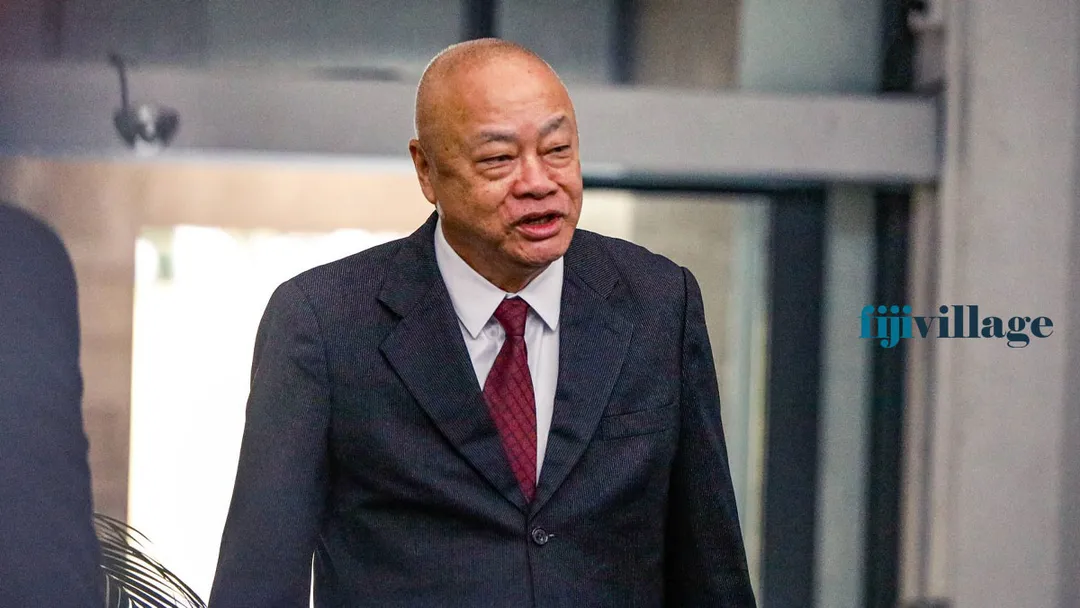
Fiji Law Society president Graham Leung has raised concerns about proposed electoral changes, arguing they could restrict civil society groups and limit the ability to challenge some Electoral Commission decisions in court.
According to the society, the amendments would extend the period during which civil society organisations face restrictions, shifting from a period that began when an election date was announced to the full officially declared campaign period. The Electoral Commission declared that period open on May 25, 2026. With the next general election potentially held as late as February 6, 2027, Leung said organisations could face restrictions for more than eight months.
Leung said the rules could affect activities such as public debates, forums, meetings, interviews, panel discussions and publishing material about elections. He argued that freedom of expression, assembly, association and political participation are safeguards of democratic government, and questioned whether restrictions lasting so long were necessary and proportionate.
The society accepts that Parliament can legislate against improper foreign interference in elections, Leung said, but argues that partisan political funding should be distinguished from international assistance for independent voter education, research, public-interest advocacy and democratic discussion.
He also warned that the prospect of criminal prosecution could deter organisations from carrying out legitimate, non-partisan work if they were unsure whether authorities might view it as prohibited campaigning. Leung said that uncertainty could discourage public discussion, electoral analysis and voter education, raising concerns about the effect on constitutional freedoms.
The society has also objected to a provision it says could put certain Electoral Commission decisions beyond further judicial review. Leung’s comments frame the amendments as a question of both civic participation and accountability for institutions exercising public power.
Source ↗