Halifa Sallah Challenges Young Gambians to Shape the Country’s Political Future
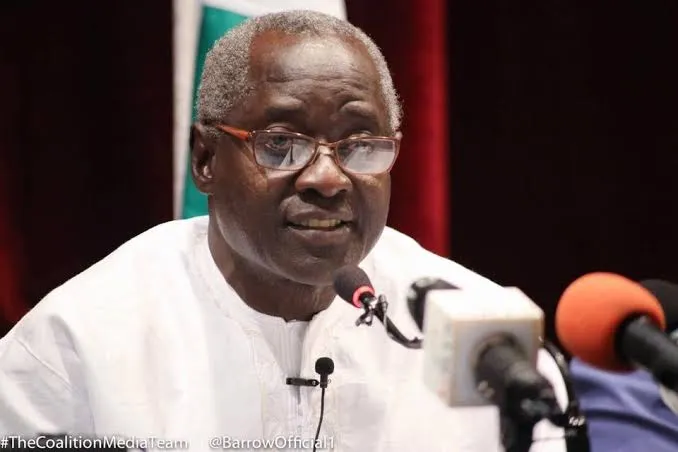
Halifa Sallah has challenged young Gambians to take a more active role in deciding who governs the country, arguing that the upcoming presidential election gives voters a chance to change the government. He made the remarks after the Team Gambia Coalition filed its nomination papers with the Independent Electoral Commission (IEC) on Wednesday.
Sallah questioned why some young people who had previously protested against poor governance were not taking part in the electoral process. He urged them to join him and other citizens in pushing for political change through the election, rather than limiting their involvement to demonstrations.
He also asked young Gambians to consider how their own choices could prevent leaders from abusing power, worsening poverty or allowing injustice to continue. According to Sallah, voters should not simply complain about those in office; they should think carefully about what kind of country they want and speak with fellow citizens about the future they hope to build.
Sallah said people must accept responsibility for the governments they elect, since leaders come to power with public consent. He argued that citizens need to take that responsibility seriously and hold leaders accountable, rather than waiting for abuses to occur before acting.
The Team Gambia Grand Coalition brings together political parties, movements, independent aspirants and civil society organisations. It was formed after months of consultations intended to create a shared political platform ahead of the December 5 presidential election.
The coalition has selected Lamin J Darbo as its presidential candidate. His nomination remains pending with the IEC, which is seeking clarification about dual nationality and whether the required number of nomination signatures has been met.
Source ↗