Hillary Clinton Says Her 2016 Campaign Was Unprepared for Viral Conspiracy Theories
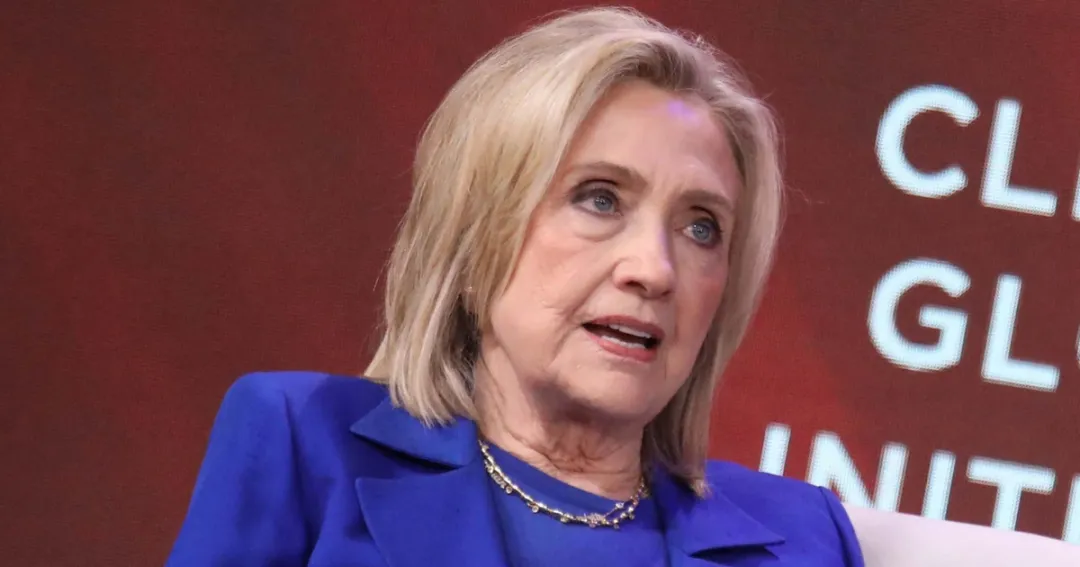
Hillary Clinton says her 2016 presidential campaign did not fully grasp how quickly online conspiracy theories could spread or how effectively they could shape voters’ views. Speaking on Kara Swisher’s podcast, “On with Kara Swisher,” the former secretary of state reflected on the false claims that circulated during her campaign, including the Pizzagate hoax.
The subject came up as Clinton discussed a controversial campaign advertisement targeting Ohio gubernatorial candidate Amy Acton. The ad reportedly featured Acton’s mother calling her a liar and urging voters not to support her. It drew criticism from both parties after reports said Acton’s mother had sided with her husband, who was indicted for abusing Acton when she was 12. Clinton criticized the spot and said outgoing Ohio Governor Mike DeWine should do more than condemn it publicly.
Swisher then asked whether a particular attack from Clinton’s 2016 campaign had stayed with her. Clinton said the most effective ads, memes and conspiracy claims about her had largely appeared online. When Swisher brought up a bizarre theory that Clinton was a lizard, Clinton pointed to Facebook and Pizzagate as especially damaging examples.
Clinton described Pizzagate as a major falsehood that took off online, saying her campaign was “frankly ill prepared” and unaware of how powerful such claims could become. She recalled that the allegations spread across the internet, sometimes, she said, with Russian money behind them.
The conspiracy falsely claimed that Clinton was involved in a child-trafficking ring operating beneath the Washington, D.C., restaurant Comet Ping Pong. Clinton said campaign volunteers encountered voters who believed allegations that she killed people or trafficked children. According to her, supporters tried to challenge those claims by asking where voters had heard them, but the excerpted account does not include the rest of her response.
Source ↗