Honduran Farmer Anastacio Martínez Gómez Gives Land to Help His Community Beat Drought
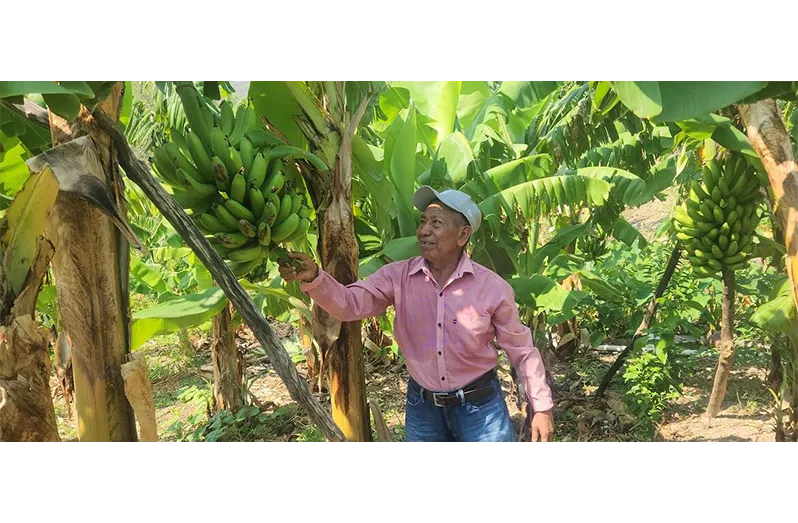
For 73-year-old farmer Anastacio Martínez Gómez, years of experience working the land in southwestern Honduras could not solve one persistent problem: when the rains stopped, his crops were at risk. In his village of Palagua, dry periods can stretch for five or six months, and failed harvests once left farming families with few options beyond seeking work elsewhere.
Martínez volunteered five manzanas of his land—about 3.5 hectares—for a community reservoir. According to the article, he agreed to contribute the plot to a project intended to store water and make irrigation possible through the dry months. “I raised my hand without thinking for even 30 seconds,” he said of his decision.
The reservoir and irrigation system, supported by the World Food Programme, have helped farmers use water more reliably. The project also offered training in different crops and more efficient ways to manage water. Martínez and other farmers spent three weeks learning at Zamorano, the Pan-American Agricultural School in Honduras, including how to raise tilapia and grow plantains. The Food and Agriculture Organization also supplied agricultural tools, the report says.
Before the project, Martínez mainly planted maize and beans, sometimes losing a crop when rainfall ended too soon. He says his farm has since become more varied, with crops including plantains and cassava. Training has also changed how he sees his own expertise: once self-taught and focused on staple crops, he now describes himself as “more of a technician.”
His story comes amid wider concern about drought in Central America’s Dry Corridor, a region spanning parts of Guatemala, Honduras, El Salvador and Nicaragua. The article says more than seven million people there lack guaranteed access to food, while the El Niño climate pattern is increasing the risk of below-average rainfall. For Martínez, the shared reservoir has offered a practical response: a way for his community to hold on to water when the rains fail.
Source ↗