James Marape explores a plan to make fuel from gas in Papua New Guinea
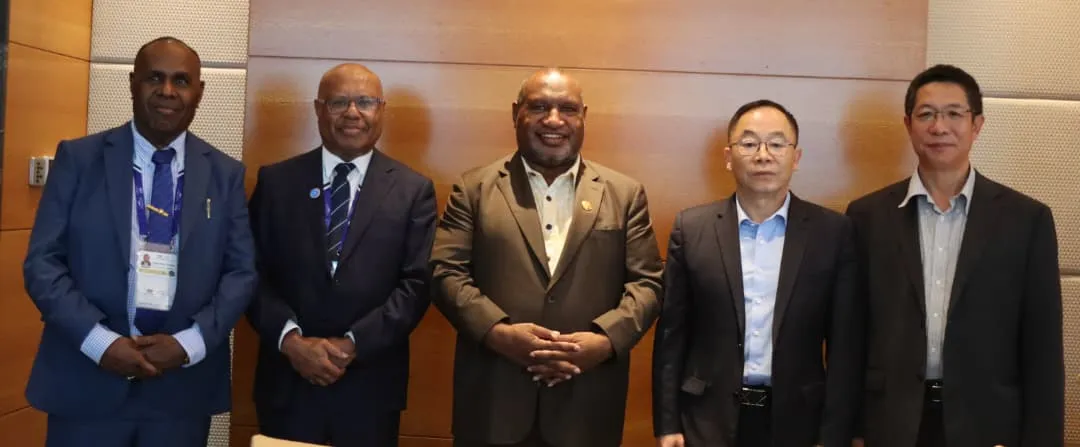
Papua New Guinea’s Prime Minister James Marape has discussed a proposal that could turn natural gas into diesel, petrol and aviation fuel, as his government looks for ways to rely less on imported petroleum products. The talks took place on November 18 during APEC Leaders’ Week, according to the report.
Marape met Wang Jiwen, chairman of China’s Houpo Clean Energy Group, to consider a gas-to-liquids project in Western Province. The company is a partner in Petroleum Development Licence 10, which covers the Stanley Gas Field. The proposal would initially focus on meeting local fuel needs, while exports could be considered later if production grows.
The prime minister also raised the possibility of using gas from Papua LNG’s five percent Domestic Market Obligation, as well as supplies from smaller fields. Any arrangements would still need further study and agreement, the report says.
The project is being considered in stages. First would come feasibility work on available gas, processing technology, costs, domestic demand and commercial prospects. Processing facilities, storage and distribution infrastructure would follow only if financing, regulatory approvals and a final investment decision are secured. Any move into exports or other industrial uses would depend on the early stages succeeding.
Marape said the proposal fits the government’s aims of processing more resources at home, improving energy security and creating skilled jobs. Preliminary discussions have mentioned a possible 1,500 to 2,000 positions, but the report cautions that employment and production figures remain subject to feasibility studies and an approved development plan.
Papua New Guinea imports much of its refined fuel. The Independent Consumer and Competition Commission reported that imported products supplied 87 percent of diesel, petrol and kerosene requirements from 2019 to 2022. The National Statistical Office also identified petroleum oils as the country’s most valuable import in 2024, at about 2.9 billion kina.
Marape called for consultation with national and provincial authorities, landowners, affected communities and local businesses as the proposal is developed. The report says the idea remains preliminary: the project’s costs, supply, approvals and commercial viability have yet to be established.
Sursa ↗