Joash Amupitan Says Mock Ballots Will Exclude Political Party Names
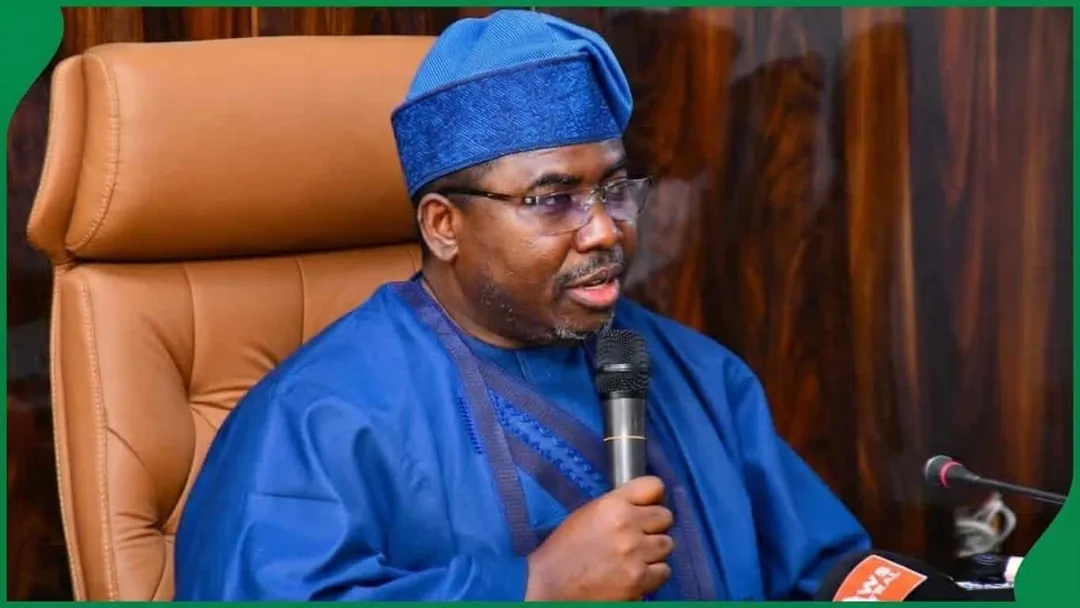
INEC Chairman Joash Amupitan says ballot papers for the commission’s nationwide mock accreditation exercise will not display the names of registered political parties. He described them as “pseudo-ballot papers” and said the format is intended to make clear that the exercise is a test, not a real election.
Amupitan made the announcement at a Wednesday meeting with Resident Electoral Commissioners from Nigeria’s 36 states and the Federal Capital Territory in Abuja. According to Naija News, he said the commission had received questions about whether the exercise could provide an opportunity to manipulate an election in advance. He responded that the absence of party names would be visible to participants.
The mock accreditation is scheduled to take place in two polling units in every ward nationwide. Amupitan described it as a practical test of INEC’s operations, rather than a ceremonial demonstration. The commission intends to assess upgraded Bimodal Voter Accreditation System devices, logistics arrangements and the INEC Result Viewing Portal, including how results are verified and transmitted.
He also outlined safeguards related to result uploads. Under the strengthened IReV process, figures recorded on Form EC8A are to undergo automated checks for arithmetic inconsistencies and over-voting before they are uploaded. Amupitan said the form should help presiding officers ensure that the results transmitted are accurate and verified at the polling unit, reducing uncertainty during manual collation.
The chairman directed Resident Electoral Commissioners to supervise preparations and the exercise in their states. National commissioners were also instructed to return to their zones to monitor the test, while Amupitan said he would observe operations in the field. Each REC, he added, must submit a technical audit by Monday.
Looking ahead to the 2027 general elections, Amupitan urged the commissioners to carry out INEC’s plans without delay. He said their work in the field would be central to the credibility and public acceptance of the elections.
Source ↗