John Swinney Faces Calls for a Stronger Inquiry Into NHS Grampian Whistleblower Claims
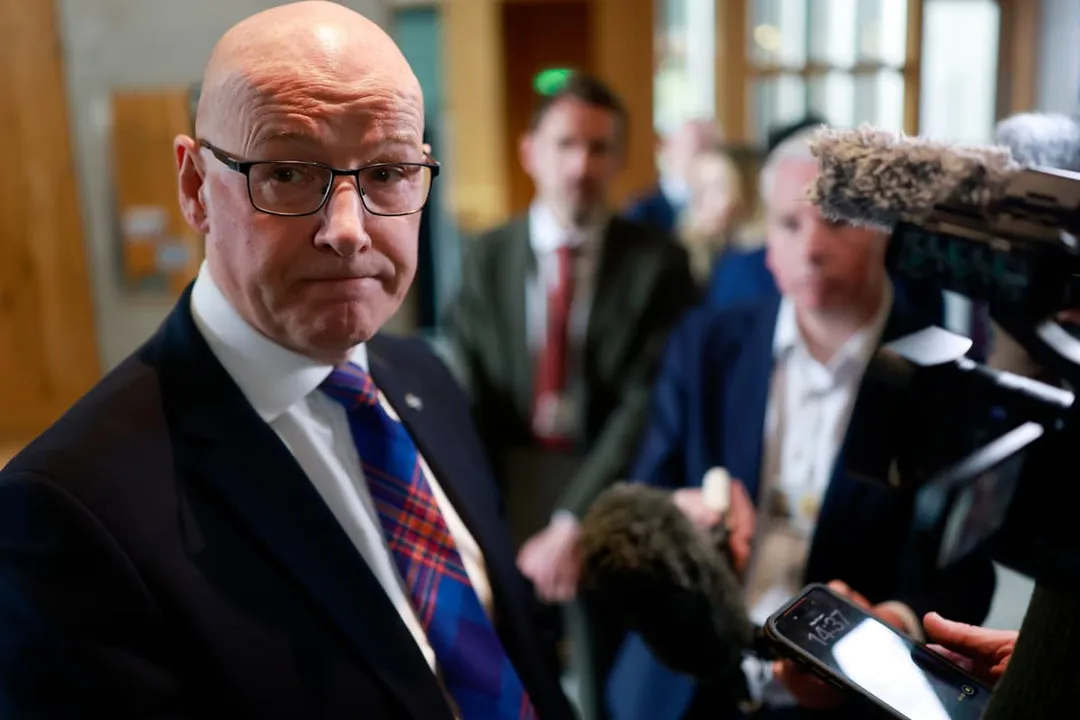
John Swinney is facing renewed questions over whether warnings from NHS Grampian whistleblower Dr Mohammed Habib reached him, as the dispute over the health board’s handling of concerns continues. The article says Habib, a surgeon, repeatedly raised alarms about patient deaths and contacted senior figures, including the country’s leading political office. It says it remains unclear whether his messages reached Swinney.
The commentary describes the case as a troubling account of a professional seeking answers for years while encountering repeated setbacks. It argues that the revelations have intensified public concern about accountability in Scottish government and public services, drawing comparisons with other political and health controversies. Those comparisons are presented as part of the writer’s criticism of how officials respond when serious allegations emerge.
Lawyer Aamer Anwar is quoted as warning that the proposed inquiry into NHS Grampian lacks important powers. According to the article, it would not be able to compel witnesses, require testimony under oath or force the release of documents. The writer also notes that the proposed process would not penalize people for obstructing it, destroying evidence or giving false accounts.
The article argues that an inquiry relying on voluntary cooperation may be inadequate for bereaved families and the wider public. It calls on MSPs to reject Swinney’s opposition to a statutory inquiry, saying a formal investigation is needed to establish what happened and scrutinize the evidence. Its central question is whether the First Minister will support an inquiry equipped to compel testimony and documents, rather than rely on a process with limited powers.
Source ↗