Johnny Morrissey: From bricklayer to feared figure in Manchester’s underworld
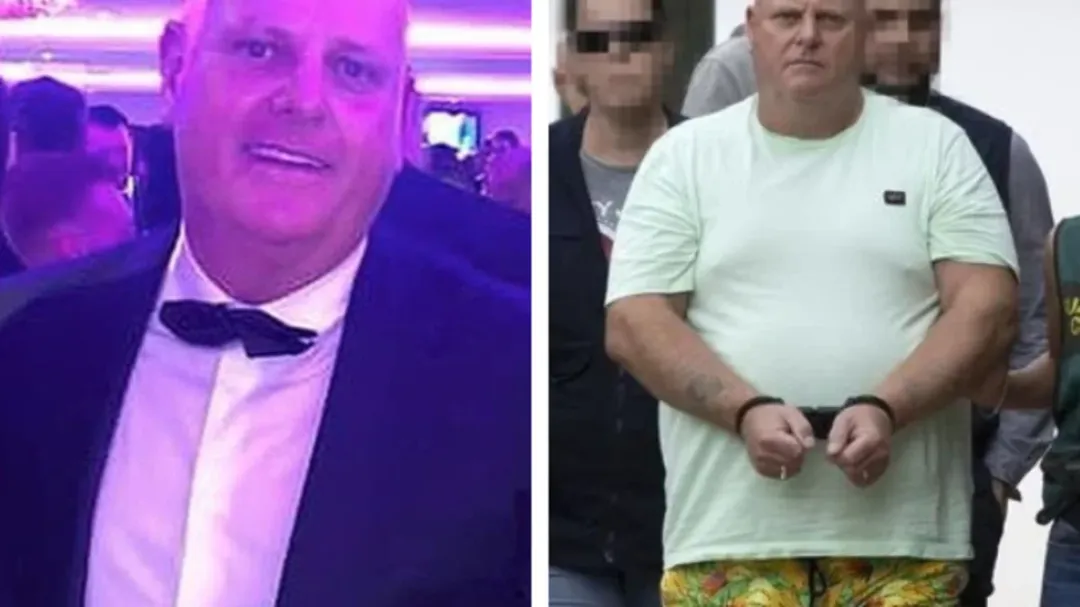
Long before US authorities described Johnny Morrissey as a key figure in the Kinahan cartel’s money network, he had already become notorious in Manchester’s criminal underworld. His reported rise took place as the city’s gang scene grew more violent and nightclubs became valuable centres of illicit trade.
Morrissey was born on December 20, 1959, and grew up with two brothers after his Irish father left the family while the children were young. The article says little is known about his early life. People who knew him reportedly summed up his reputation by saying he had “always been a bad one.” His Irish background, inherited from his father, would remain part of his identity.
He left school at about 15 and trained as a bricklayer, but later found work as a nightclub doorman. According to the account, the job brought him into contact with Manchester’s criminal fraternity. He was also said to have become involved in jewellery and motor businesses, while providing protection and muscle for local gangs.
By the early 1990s, Morrissey was reportedly a major target for police and one of the most feared figures in Britain’s underworld. His ascent overlapped with the era of the Quality Street gang, a loose group of fighters, conmen and robbers whose name came from a television advert featuring sharply dressed gangsters. Former members have disputed that the group was an organised crime outfit, though its reputation was tied to large robberies, extortion and, later, the nightclub scene.
The article also describes the Clifton Grange Hotel as a favoured gathering place for underworld figures, footballers and celebrities. It was run by Philomena Lynott, mother of Thin Lizzy singer Phil Lynott. The gang is said to have inspired the band’s hit “The Boys Are Back in Town,” while member Jimmy Donnelly, known as Jimmy the Weed, was referenced in the song “Johnny the Fox Meets Jimmy the Weed.”
Source ↗