Leona Antoine Is Bringing Indigenous Good-Fire Practices Back to the Land
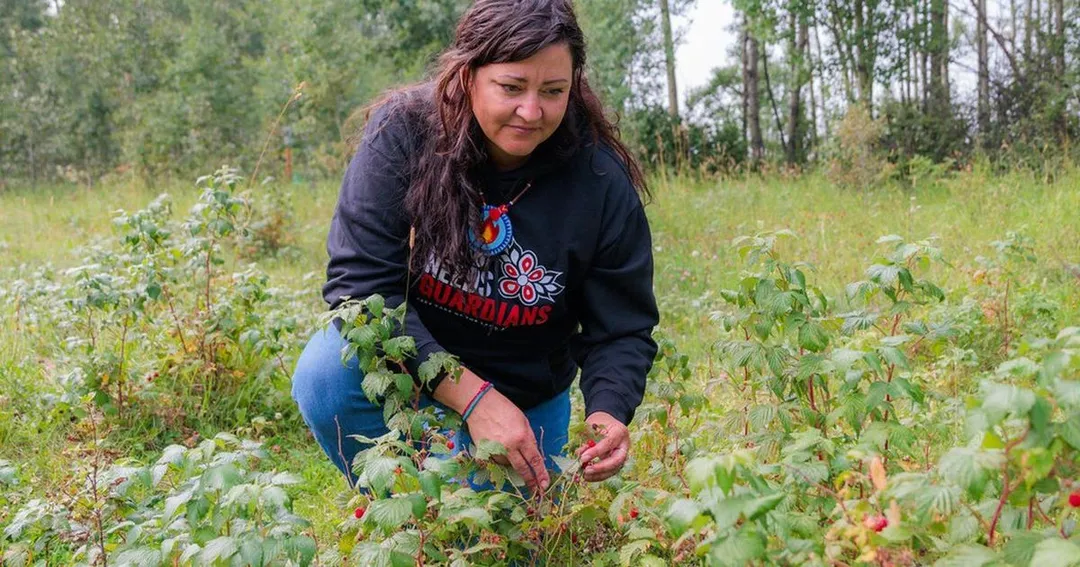
As spring snow melts across the Nicola River valley, Leona Antoine sees a chance to continue a practice passed down by her grandfather: using carefully controlled, low-intensity fire to renew the land. The Syilx and Nlaka'pamux practitioner says the seasonal burns clear dead brush, let more sunlight reach the ground and return nutrients to the soil. In the weeks that follow, she says, new grass, huckleberries and traditional medicines begin to grow.
Antoine, a former forest firefighter and forestry consultant who lives in Merritt, British Columbia, calls the approach “good fire.” She recalls her grandfather’s happiness as he watched a patchy burn move across a field. But he came of age when Indigenous communities were largely barred from carrying out such burns, she said.
Now Antoine is among Indigenous fire practitioners and researchers working to restore controlled burning outside the peak wildfire season. Supporters say the method can reduce dead vegetation that feeds major fires, while helping maintain healthier landscapes and returning Indigenous people to a central role in caring for the land.
The need feels personal for Antoine. Her field lies near a highway and the Trans Mountain pipeline, in a region increasingly vulnerable to severe wildfires. She said her grandson’s first home was a hotel room after his family was displaced twice by out-of-control fires during the past five years, a particularly intense period for British Columbia’s wildfire seasons.
Rather than continually responding to catastrophic blazes, Antoine says she wants to restore Indigenous practices, teachings and culture in ways that can sustain ecosystems. As chair of the Salish Firekeepers, she argues that the changing conditions make such work increasingly urgent. The story presents her effort as part of a wider movement to bring traditional stewardship practices back to communities and landscapes facing heightened fire risk.
Source ↗