Lesego Moseki Defends Forex Policy Aimed at Protecting Botswana’s Reserves
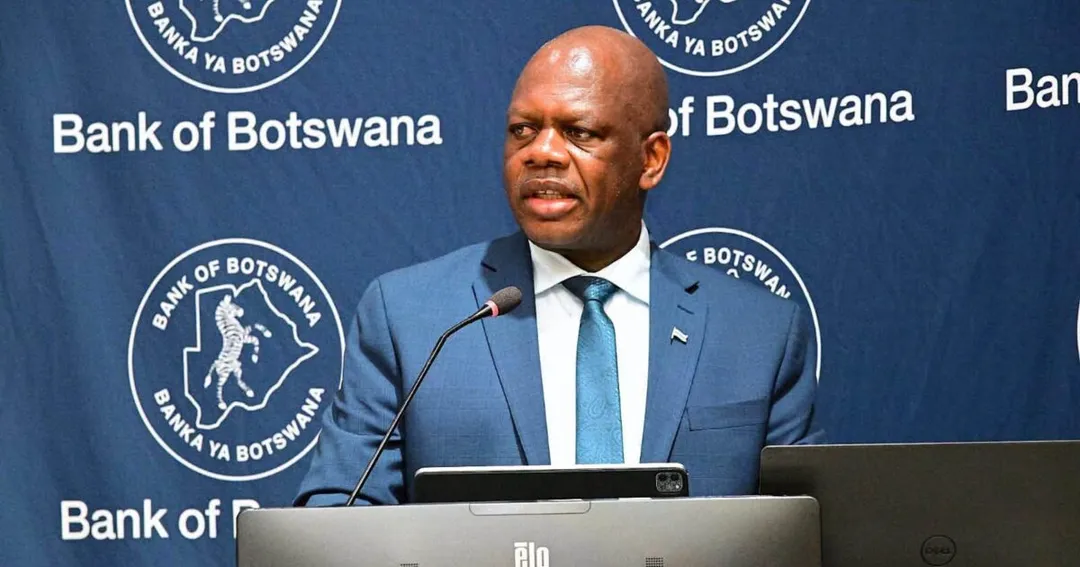
Bank of Botswana Governor Lesego Moseki has defended the central bank’s exchange-rate adjustments, saying they are intended in part to steer businesses away from using official foreign currency reserves when dollars and other currencies are already available through commercial banks.
Speaking at a Financial Stability Council media briefing in Gaborone last Wednesday, Moseki said the bank had observed that companies continued to seek foreign currency from central bank reserves despite substantial holdings within the commercial banking sector. The adjustments, he explained, were designed to encourage firms to obtain the currency they need from banks and other market participants instead.
The approach is intended to circulate foreign currency already held within Botswana’s financial system and reduce pressure on the country’s official reserves. Those reserves matter because Botswana relies on imports for essential goods, fuel and machinery, and needs foreign currency to pay for purchases from abroad.
Moseki said the policy was producing encouraging results. He described the impact of the exchange-rate framework changes as positive, citing the aim of preserving official reserves while also making the country’s exports more competitive in overseas markets. In his account, stronger exports could help generate the foreign currency needed to fund future imports.
The governor also reported that reserves had stabilised and risen somewhat, calling that a positive development. His remarks present the adjustments as an effort to balance two priorities: protecting the country’s ability to pay for imports and making better use of foreign currency already circulating in domestic banks.
The article describes a policy intended to change where companies source foreign currency, rather than prevent businesses from obtaining it. Moseki’s comments indicate that the central bank considers the shift away from drawing on official reserves an important part of maintaining Botswana’s financial buffers.
Source ↗