Lucille Ball Turned a Cheerful Name Into a Symbol of Comedy and Independence
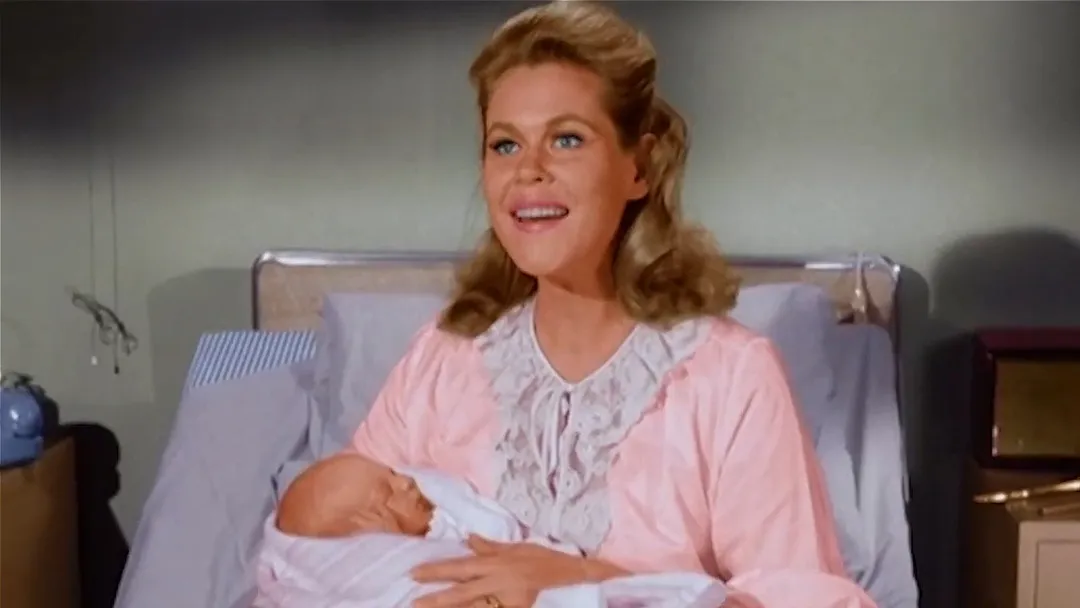
Vintage television still offers parents a rich source of cheerful names, and Lucy carries a legacy shaped by one of the medium’s most influential comedians. Lucille Ball became widely known for her work on I Love Lucy before starring in The Lucy Show, a series that helped bring a single adult woman’s life to television audiences.
The article places Ball’s career against the restrictive standards that governed American television in the 1950s and much of the 1960s. Under the Hayes Code, programs avoided anything deemed inappropriate; even married couples were often shown sleeping in separate beds. Against that carefully polished backdrop, Ball’s comic performances stood out. At a time when women’s television roles were often limited to familiar domestic types, she made room for a wife and mother who could also be unmistakably funny.
Ball starred as Lucy Ricardo alongside her then-husband, Desi Arnaz, and they had two children. After their divorce in 1960, she bought Arnaz’s share of their production company, Desilu Productions. According to the article, the purchase made Ball the first woman in America to own a large production company. Desilu later produced major television programs, including Star Trek.
Ball went on to lead The Lucy Show, which ran for six seasons. The series continued her distinctive comedy while presenting a single adult woman as its central character, an uncommon choice for television of that era. Her work linked humor with independence and helped widen the kinds of women audiences could see at the center of a sitcom.
That history gives the name Lucy more than a lighthearted sound. For many viewers, it also evokes a trailblazer who reshaped television comedy and took on a powerful role behind the scenes. The article’s broader point is that an old-fashioned name can carry a surprisingly modern association: a woman whose talent and business decisions helped change what television could be.
Source ↗