Pierre-Olivier Zappa Explains Why AI Spending Is Shaking the Stock Market
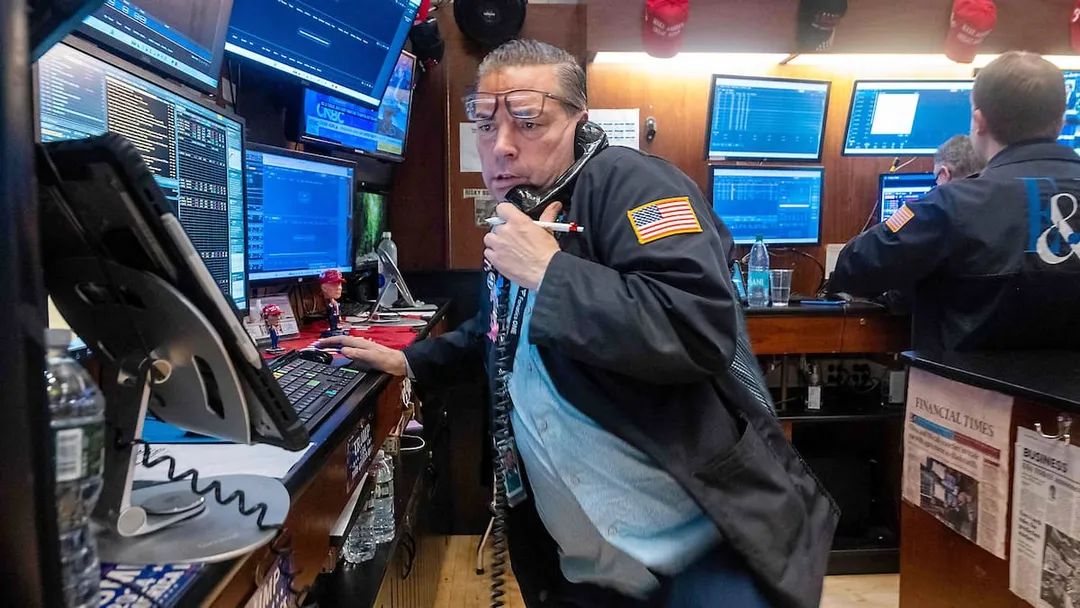
Investors are watching technology shares slide as doubts grow over whether the enormous sums being poured into artificial intelligence will pay off. In a column prompted by a reader worried about losses in a Canadian tax-free savings account invested mainly in U.S. stocks, journalist Pierre-Olivier Zappa says the market’s anxiety is tied to the scale of the AI boom and the uncertainty surrounding its returns.
Zappa explains that the stock market is driven partly by expectations about the future, not simply by the state of the wider economy. Investors are trying to decide whether AI will become a profitable revolution and whether technology companies can earn enough to justify their spending. When doubts arise, shares in major firms can fall sharply, pulling down broader U.S. indexes with them.
The column points to the sums companies are reportedly committing to data centres and other infrastructure. Google is projected to invest $1 trillion over several years, while Meta has committed $866 billion and Microsoft $593 billion, according to the article. Such plans prompt investors to question how the companies will finance the projects and make them profitable, Zappa writes.
The potential effects reach beyond technology firms. The article says AI-related development has helped create 750,000 jobs since 2023, citing LinkedIn, while the construction sector anticipates $10 trillion in investment through 2032. Banks are financing projects, commercial lending has risen 11% in a year, and electricity demand is also climbing. The column reports that average residential electricity prices in the United States have increased 11% since January 2025.
Zappa also notes political uncertainty: some newly elected Democrats have pledged to slow the construction of data centres. With AI companies accounting for nearly half of the S&P 500, he argues, investor concerns about the sector can have consequences across the market. He does not tell the reader to change their investment strategy, instead offering context for the volatility and urging perspective.
Source ↗