Roselyn Blackson Turns a Ten-Hive Start Into a Beekeeping Business That Inspires Women
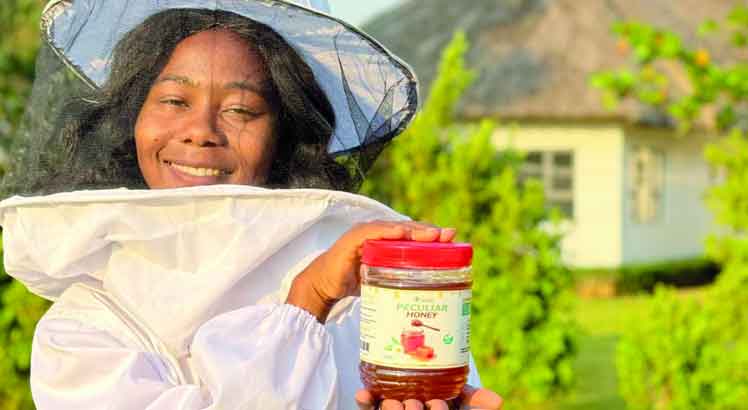
Roselyn Kasunda Blackson did not wait for a formal job after graduating from the Lilongwe University of Agriculture and Natural Resources in 2018. Instead, she put her studies to work in beekeeping, starting with ten hives bought using money she had saved while at school. Today, she runs Peculiar Honeybee Products and Services, known as Pehops, and uses social media to promote her honey and encourage others to enter the sector.
Her interest began during an internship at St Paul’s Agriculture Training Centre, where she attended field training led by a beekeeper. Blackson said the decision to pursue the trade was not easy. As a young woman entering work that many people around her did not associate with women, she encountered warnings about the dangers of bees and misconceptions that put potential beekeepers off.
The venture has since grown beyond producing and packaging honey. Pehops also supplies beekeeping equipment and offers consultancy and training. Blackson said the business creates opportunities for women and people with disabilities, while her experience has taken her from producer to mentor for aspiring beekeepers.
A turning point came after she appeared on the local news platform Spotlight. Blackson said the resulting media attention brought interview requests and introduced her work to a broader audience. People began contacting her to learn about beekeeping, and she took on a growing role as a trainer.
Facebook and TikTok now help her show customers what she does, promote Pehops products and share practical encouragement. She said people have messaged her to explain that her work inspired them to start their own beekeeping journeys. Separate accounts for the business have also allowed her to focus more directly on its brand and products.
Blackson’s approach makes her online presence part of the business itself: alongside selling honey, she uses it to present beekeeping as a possible livelihood. Her story, as she tells it, began with a small number of hives and has expanded into training, equipment supply and an effort to bring more people into the trade.
Source ↗