Selena Buse explains why her tiny Citroën Ami has changed life in the countryside
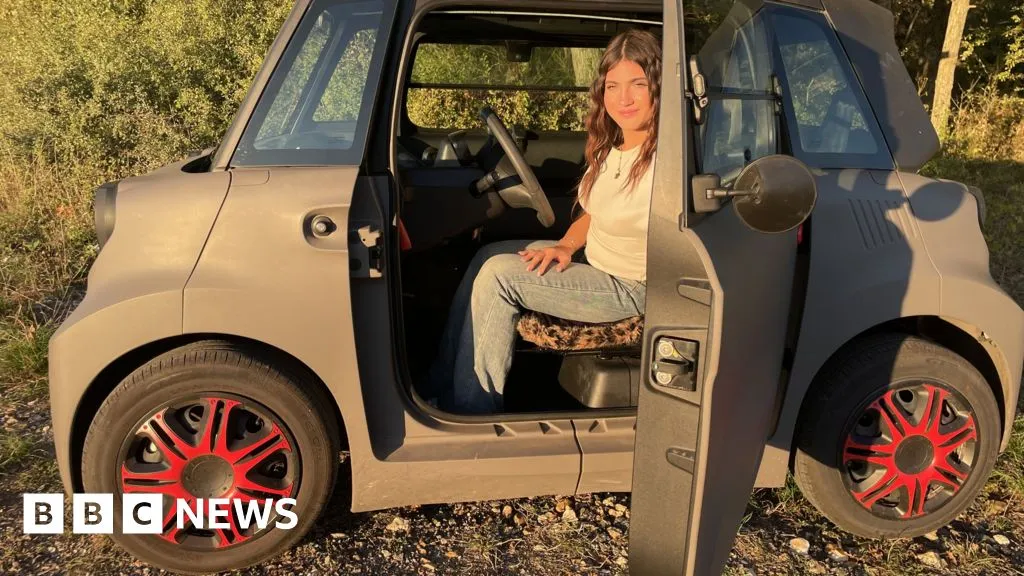
At 16, Selena Buse has found a way to get to school and see friends without relying on lifts: she drives a compact Citroën Ami. The small grey vehicle, fitted with red wheels, stands out as she pulls away from a parking space near her school, according to the report.
Buse says she got the car because she needed a practical way to travel to school. She also uses it to visit friends at weekends, describing it as indispensable in the rural area where she lives. The Ami can travel at a maximum of 45 kilometres per hour, and its low speed can draw attention from other drivers.
“On faster roads and when there’s a lot of traffic, the cars behind me sometimes honk their horns, but I can’t go any quicker,” Buse says. The report notes that rules for these small vehicles vary across Europe: in some countries, teenagers can drive them from age 14 after completing training and meeting local requirements.
Microcars have become more popular in recent years, with teenagers making up a growing share of buyers. The report says registrations in France rose from about 13,000 in 2019 to around 25,000 last year, while sales across Europe doubled over five years to approximately 60,000.
Buse’s experience illustrates why the vehicles appeal to some young people outside cities, where public transport may not provide an easy way to get around. But the modest top speed also means drivers must consider the roads they use and the faster traffic around them.
Sursa ↗