Seth Terkper warns Ghana against returning to the borrowing that fuelled its debt crisis
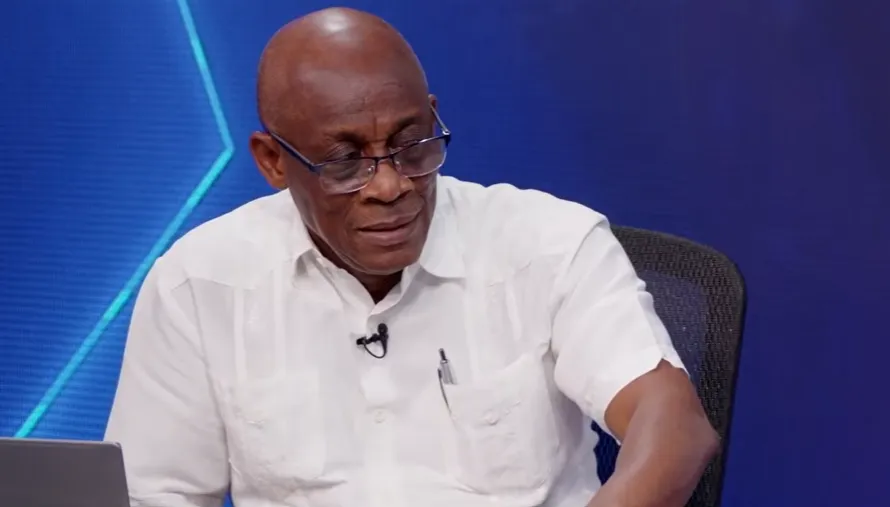
Former Finance Minister Seth Terkper says Ghana should treat its past debt troubles as a lasting warning and avoid building up unsustainable loans again. Speaking on JoyNews’ PM Express during a discussion of the 2027 Budget, he urged successive governments to maintain fiscal discipline and make responsible borrowing a shared national commitment.
Terkper pointed to Ghana’s experience with the Heavily Indebted Poor Countries initiative, later debt defaults and the Domestic Debt Exchange Programme. Those episodes, he said, should make clear why the country cannot keep borrowing without regard to its ability to repay. He added that although some of the economic difficulties inherited by the current administration had been addressed, the recovery needed firmer foundations for long-term stability and growth.
The former minister also backed preparations to meet government debt obligations, including the use of the Cedi Sinking Fund. He described the fund as a way of setting resources aside for repayments, including commitments linked to domestic debt restructuring. In his view, a planned bond buyback could also help restore confidence in the market.
The 2027 Budget proposes continuing monthly transfers equal to seven per cent of gross domestic non-oil tax revenue into the fund, alongside targeted domestic bond issues. The stated aim is to build up resources for upcoming payments and reduce refinancing risks. Finance Minister Cassiel Ato Forson said the fund held GH¢29 billion as of November 11, 2026, enough to cover the principal on domestic bonds due in February 2027; the government has also said it intends to settle that obligation early.
Terkper said these steps formed part of the work needed to honour debt commitments and rebuild investor confidence. He also cautioned against assuming that revisions to the budget’s economic and fiscal projections were deliberately designed to mislead the public. Budget estimates are prepared months ahead, he noted, and can be affected by developments that are difficult to predict, including weather, revenue performance and negotiations with organised labour.
Sursa ↗