Te Riaki Amoamo remembered for a lifetime of teaching Te Whakatōhea tikanga
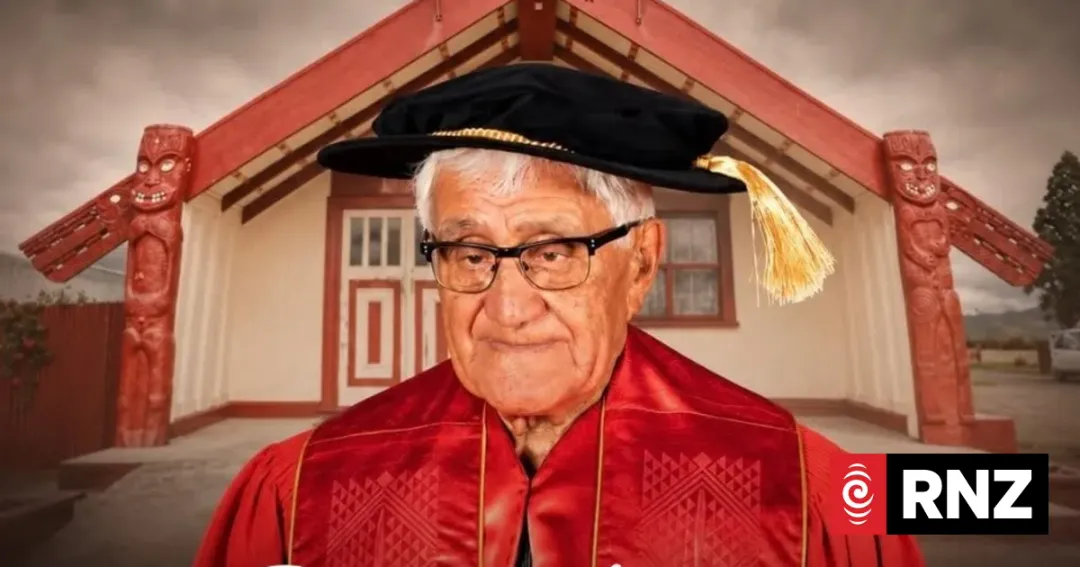
Dr Te Riaki Amoamo, a respected kaumātua whose teaching helped carry Te Whakatōhea traditions across generations, has died. He passed away on Saturday, 14 November, surrounded by whānau, according to the report. Mourners travelled from around the country to Ōmarumutu Marae, east of Ōpōtiki, to farewell him, and he was laid to rest at Te Rangimatanui urupā on Thursday.
For more than six decades, Amoamo shared te reo, whakapapa and tikanga, helping younger people learn how to stand and speak for their marae. Professor Te Kahautu Maxwell told Pūkāea that Te Whakatōhea had lost a storehouse of knowledge whose work had been pivotal to the iwi and its marae.
Raised with Te Whakatōhea language and customs, Amoamo welcomed people who came to his home to learn. He understood the kawa of individual marae and hapū and, according to the report, expected those he taught to uphold it with humility and kindness. He was also a senior tohunga of Te Hāhi Ringatū and a descendant of Te Hori Kēti, a prophet of the faith. As a child, he joined his parents and elders at Te Kaumārua gatherings, learning from tohunga from other iwi and hapū.
Amoamo’s knowledge also became part of significant legal proceedings. He gave evidence for Ngāti Ruatākenga in the Te Whakatōhea case under the Marine and Coastal Area Act, and other applicants drew on his account of tikanga. The High Court relied on his evidence in a 2021 judgment recognising the hapū’s protected customary rights to gather seawater for rongoā and conduct baptisms in the sea. In 2024, the Supreme Court cited his kōrero on how hapū shared coastal resources under tikanga.
Te Whakatōhea member Danny Paruru said the knowledge and history Amoamo shared would not be forgotten, despite the grief of his loss. In 2023, Te Whare Wānanga o Awanuiārangi awarded him an honorary doctorate in Māori development, recognising decades of service. His teaching, the report says, continues through the people he helped prepare to uphold their hapū’s kawa.
Source ↗