Zaqy Mohamad warns young people that AI cannot replace human judgement
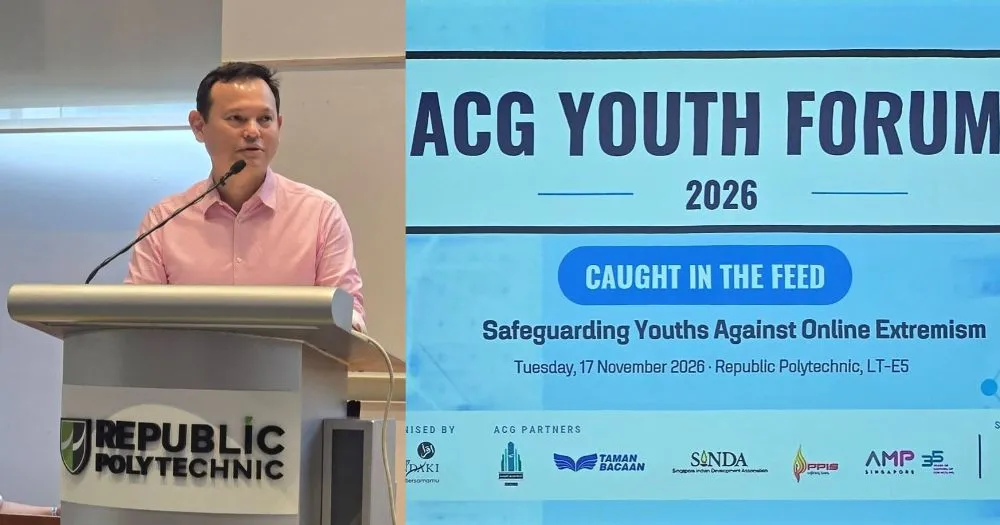
Speaking to students at a youth forum in Singapore, politician Zaqy Mohamad urged them to think carefully about what they consume and share online. He warned that artificial intelligence and recommendation algorithms can spread harmful material as readily as they can encourage creativity and learning.
Mohamad made the remarks at the Annual Inter-Agency Aftercare Group Youth Forum on Nov. 17, where about 150 students from madrasahs, technical institutions, polytechnics and universities gathered at Republic Polytechnic. He said people must remain responsible for their choices, particularly when online content touches on extremism.
The minister acknowledged that AI can quickly produce answers and that algorithms help users discover material. But, as he put it, technology cannot take responsibility for the consequences of what it creates or promotes. He also cautioned that AI-generated media can impersonate trusted people and influence opinions, while recommendation systems may repeatedly serve users content that reinforces existing anger or grievances.
That steady repetition, he suggested, can make a limited perspective feel like the only one. Mohamad also warned that online conversations may shift from provocative jokes toward hate and the glorification of violence, while people who challenge that drift can face ridicule.
He pointed to figures in the 2026 Singapore Terrorism Threat Assessment Report, saying six of eight new cases handled under the Internal Security Act in the previous year involved people aged 20 or younger. He also cited an increase in youth cases, from four between 2017 and 2021 to 15 since 2022. The report said those being radicalised are getting younger, with four 14-year-olds receiving ISA orders since June 2024.
Students at the forum took part in the “Ctrl Your Feed” video competition, producing short clips encouraging peers to recognise online extremism and question what they see and share. Mohamad urged young people to speak up if they see friends moving towards radicalisation, saying they understand online spaces in ways many adults may not.
Source ↗