David Seymour backs one four-party coalition deal as negotiations continue
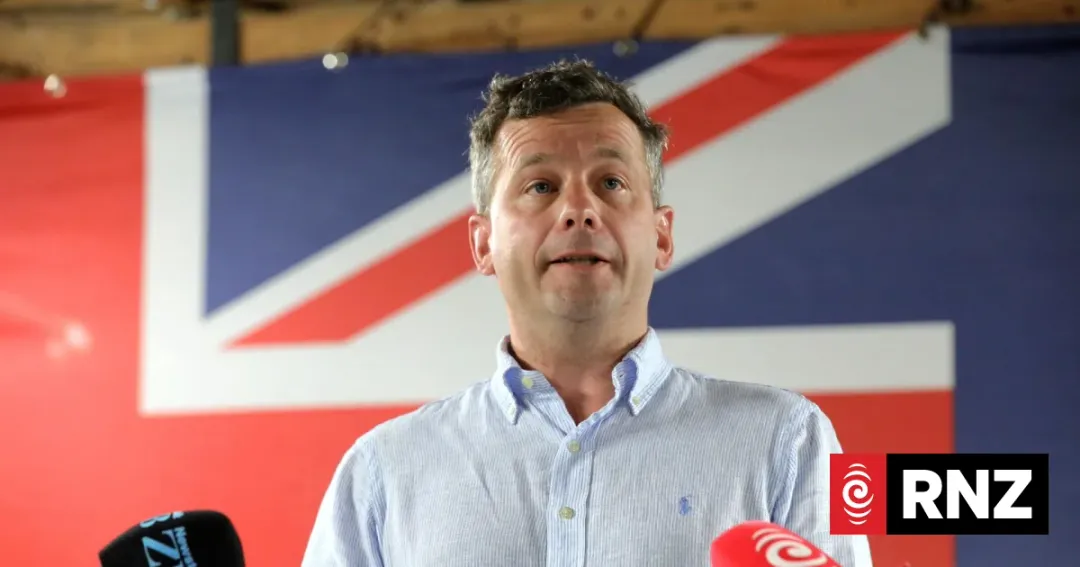
ACT leader David Seymour has argued that a single agreement involving all four parties could be the clearest route to forming New Zealand’s next government. Negotiations are under way between National, ACT, New Zealand First and Opportunity after the election, with the shape of any arrangement still uncertain.
Seymour told RNZ that staff could first work through some of the details before party leaders meet. He hoped discussions would reach that stage during the week and suggested the parties might be better off negotiating together rather than creating several separate agreements.
“Opportunity is the wild card,” Seymour said, noting that the new party had yet to decide what relationship it wanted with the others. He said one document could bind the parties together and give the public more certainty than multiple arrangements.
Other political observers were less convinced that a single deal would prove workable. Former ACT chief of staff Andrew Ketels said the parties had sharply different political outlooks and predicted National would instead strike separate agreements with smaller parties. Even those deals, he suggested, could be limited, with contentious proposals diluted or left unresolved.
National commentator Liam Hehir also expected parallel negotiations. He said bringing Opportunity, which he described as a centre-left voice, into the process could make agreement more complicated and leave Parliament struggling to make progress.
Former National press secretary Ben Thomas considered another possible route: National, ACT and New Zealand First could first reach an arrangement and then present it to Opportunity. Thomas said New Zealand First leader Winston Peters could slow that process, while his silence since the election was drawing attention. The article reports that talks were continuing, with no final agreement announced.
Source ↗